An Automated External Defibrillator (AED) can analyse a person’s heart rhythm and deliver a shock when required during cardiac arrest. The updated Resuscitation Council UK guidance reinforces that anyone can use an AED—formal training is not required.
AEDs provide clear spoken or visual instructions and will only deliver a shock when it is needed. In an emergency, carers should:
- Call 999 and begin CPR.
- Ask someone to locate the nearest AED.
- Switch on the AED and follow its instructions.
- Attach the pads as shown.
- Continue CPR with as few interruptions as possible.
- Ensure nobody is touching the person during rhythm analysis or shock delivery.
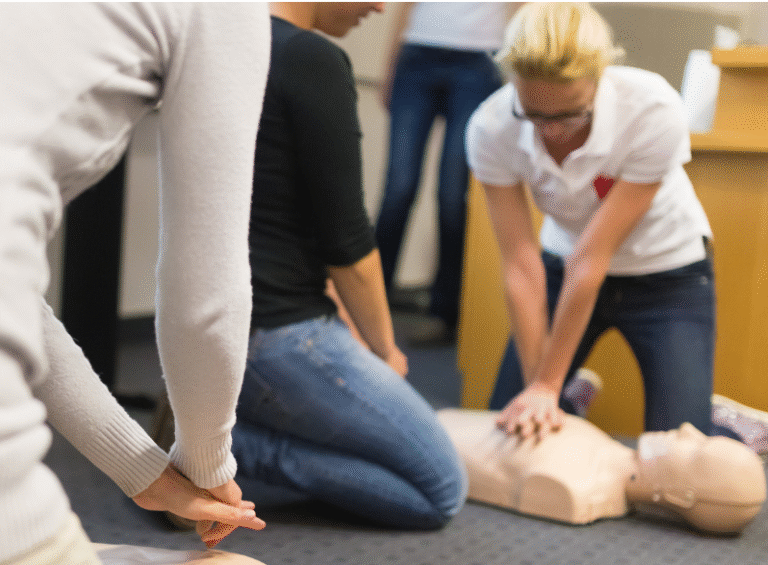
Care providers should ensure staff know where the nearest AED is located and can access it quickly. Training gives carers the practical confidence to combine effective CPR with early defibrillation.
Bystander CPR and early AED use can increase a person’s chance of surviving an out-of-hospital cardiac arrest by two to four times. Knowing what to do could make the difference between life and death.